


I picked up Total Recall on a whim. Arnold Schwarzenegger's memoir had been sitting on my shelf for months, after being recommended by Tim Ferriss (no, not personally recommended). It was a huge book… the kind you don't really feel like picking up, ever.
Plus, what was I going to learn from a bodybuilder turned Hollywood actor turned Governor of California? Apparently, a whole lot.
It's one of the clearest things I've ever read on personal branding, positioning, and category creation - written decades before anyone was getting paid to say those words.
Early on, agents told Arnold to change his name (too long, too foreign) and drop the accent. He refused. He bet that the exact things making him "unmarketable" were the things that would make him impossible to forget. Rather than sanding down what made him different, he turned it all the way up.
CEO content gets sanded down - through comms, legal, or the founder's own fear - until it sounds like every other CEO in the category. Arnold did the opposite, on purpose, for forty years. Swap Hollywood for marketing and it's basically a bible.
That book is the reason I have a habit now. Every few months I pick up something with nothing to do with marketing. I still read the marketing books, obviously, and I'll keep reading them. But if I'm honest, the best thinking almost never shows up where I go looking for it. So now I go looking somewhere else on purpose.
We spend so much of our time inside this world - the frameworks, the attribution arguments, the weekly debate about what the algorithm is doing now. It's useful. It's also the kind of room where everyone's read the same ten great books and slowly starts to sound the same.
I'm also a book nerd who will take any excuse to add to the pile. So there's that too.
If we look closely at most marketing problems - awareness, nurturing, conversions - they look a lot more like people problems. In essence, they have very little to do with marketing. And everything to do with humans.
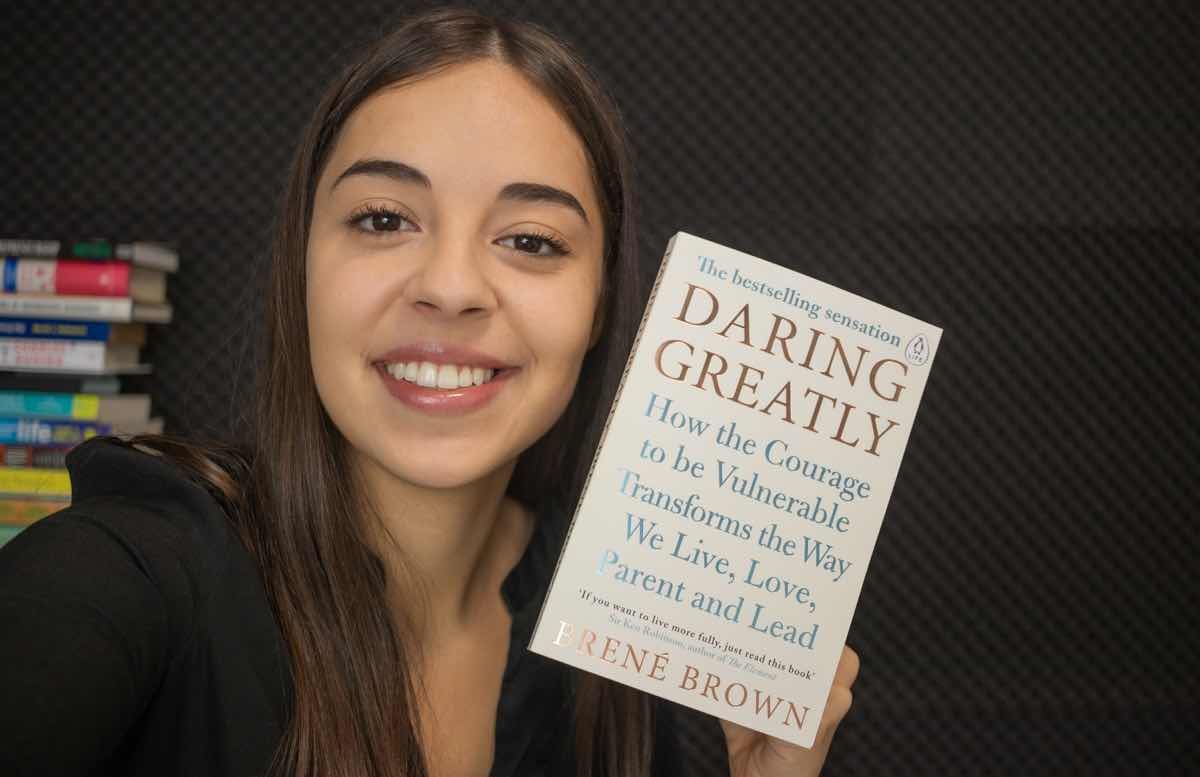
Take building a CEO's brand. The hardest part was never the strategy or the writing. It's getting someone who's spent their whole career being the smartest person in the room to be openly unsure in public. To publish a take they're not sure about or to tell a story where they didn't come out looking great. Daring Greatly by Brené Brown is the best book I've read on why that's so hard and it slowly convinced me the discomfort isn't the obstacle. It’s the point.
Now, when a founder hands us three polished "thought leadership" takes and one slightly embarrassing story they almost deleted, we run the embarrassing one.
The other one that genuinely changed how I find ideas is A Curious Mind by Brian Grazer, the producer behind some of the biggest films and TV shows ever made. For decades, he booked conversations with people completely outside his world. From scientists to criminals, world leaders and artists, just to stay curious. That was the whole point. The book made me realise that the best content doesn't necessarily come from consuming more marketing content but from being genuinely curious about everything that sits outside your category. The more you bring in from outside, the less you sound like everyone else inside.
And honestly, Total Recall belongs here too. Under all the bodybuilding and the blockbusters, it's really a book about understanding people well enough to give them something they didn't know they wanted. Which is more or less the whole job, no?
I've come to believe that the biggest constraint on good marketing isn't budget or headcount or being able to predict the algorithm 😬, but the quality of thinking going into it. And sustained thinking is harder to protect than anything else.
Deep Work by Cal Newport makes the case that the ability to focus without distraction is becoming rare at exactly the moment it's becoming more valuable. Most marketing teams are structured in a way that makes it almost impossible because of all the pings, the always-on thing or the meeting that should've been two lines in a doc. We've built the whole environment to sabotage the one thing that matters most. So we run our content the other way round: fewer pieces, more thinking behind each one. I think about this book every time I'm tempted to do five things at once instead of one thing well.
Flow by Mihaly Csikszentmihalyi goes a layer deeper—not just how to focus, but what focus feels like when the work genuinely absorbs you, and how to set up the conditions for more of it. If you manage creative work and content strategy is creative work, under all the frameworks - it helps you see what you're really optimizing for.
The Effective Executive by Peter Drucker is older than everything else on this list and still the sharpest thing I've read on one distinction that comes up every week: doing things right versus doing the right things. “Should we be doing this at all?”
Caffeine by Michael Pollan. Some weeks the strategy is caffeine and no further notes.

This said, if you’re still looking for a full marketing reading list, I’ve listed the 34 books across ten shelves, from positioning to storytelling to growth.
And if you've read something unexpected that made you better at this, tell me. There's a very good chance I go and buy it.
.svg)